5/5Visitor
"المشروع حل لي مشكلة كنت أعاني منها، شكراً لك"
A
Anonymous
10/29/2026
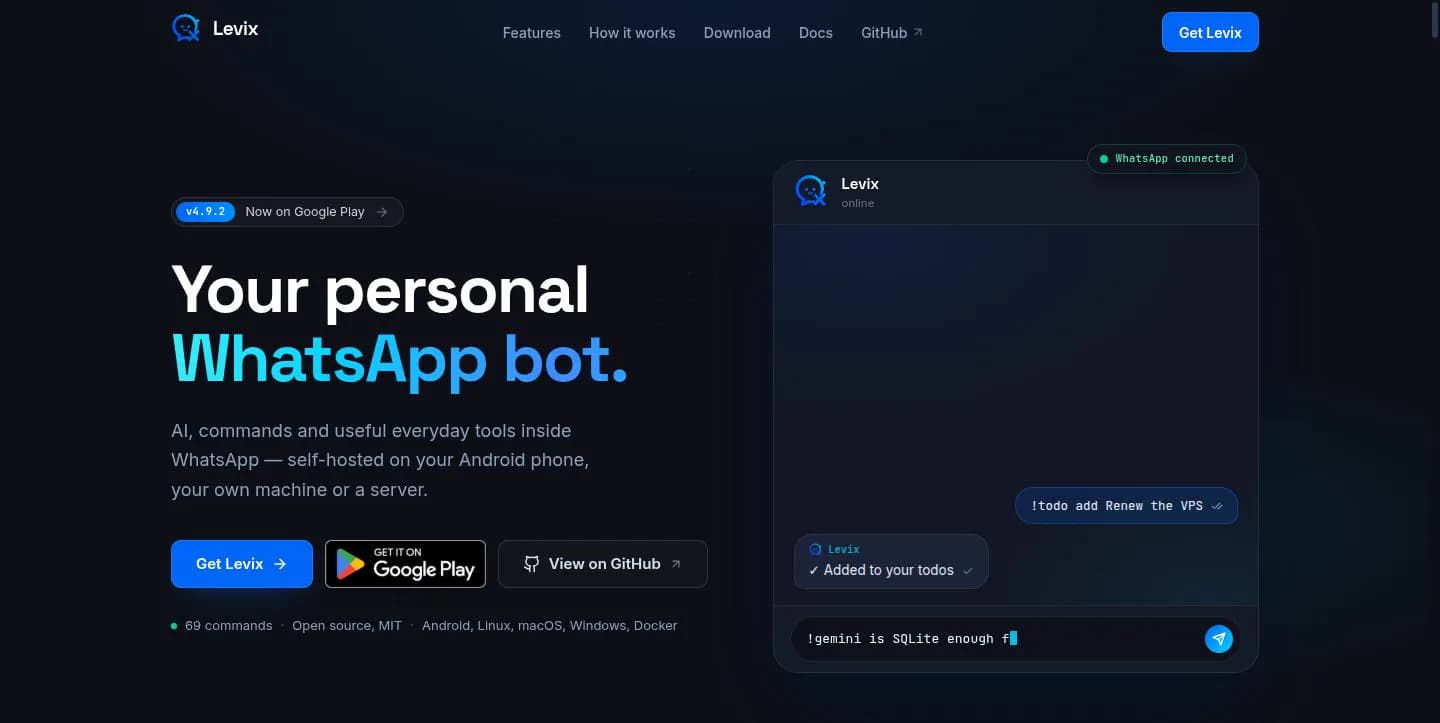
MIT-licensed WhatsApp bot with AI tools, moderation, scheduling, Android hosting, and a companion website.
Levix is an MIT-licensed, self-hosted WhatsApp bot for people managing their own chats and groups. It combines commands, an AI agent, moderation, schedules, and a browser control panel. Its companion website provides downloads, documentation, feedback, and backend services used by installations.
A personal bot needs more than a message handler. It has to keep a WhatsApp session, store settings and schedules, enforce permissions for group actions, and give the operator a way to configure it. Installation and support also need a public entry point. Levix pairs the local bot with a separate product site while keeping chat operations on the host chosen by the operator.
The Node.js bot keeps session state, schedules, and settings in built-in SQLite. Baileys handles WhatsApp connectivity; Express serves authenticated panel routes, and Socket.IO sends live updates to the React interface. The Android app embeds a Node runtime and displays the panel through a WebView bridge. The separate Next.js website fetches release data from GitHub. Its server routes forward feedback to Telegram, send recovery messages through SMTP, and store recovery and crash-report state in SQLite. The bot and website are separate repositories serving one product.
Feedback from people who used or collaborated on this project.
"المشروع حل لي مشكلة كنت أعاني منها، شكراً لك"
Anonymous
10/29/2026
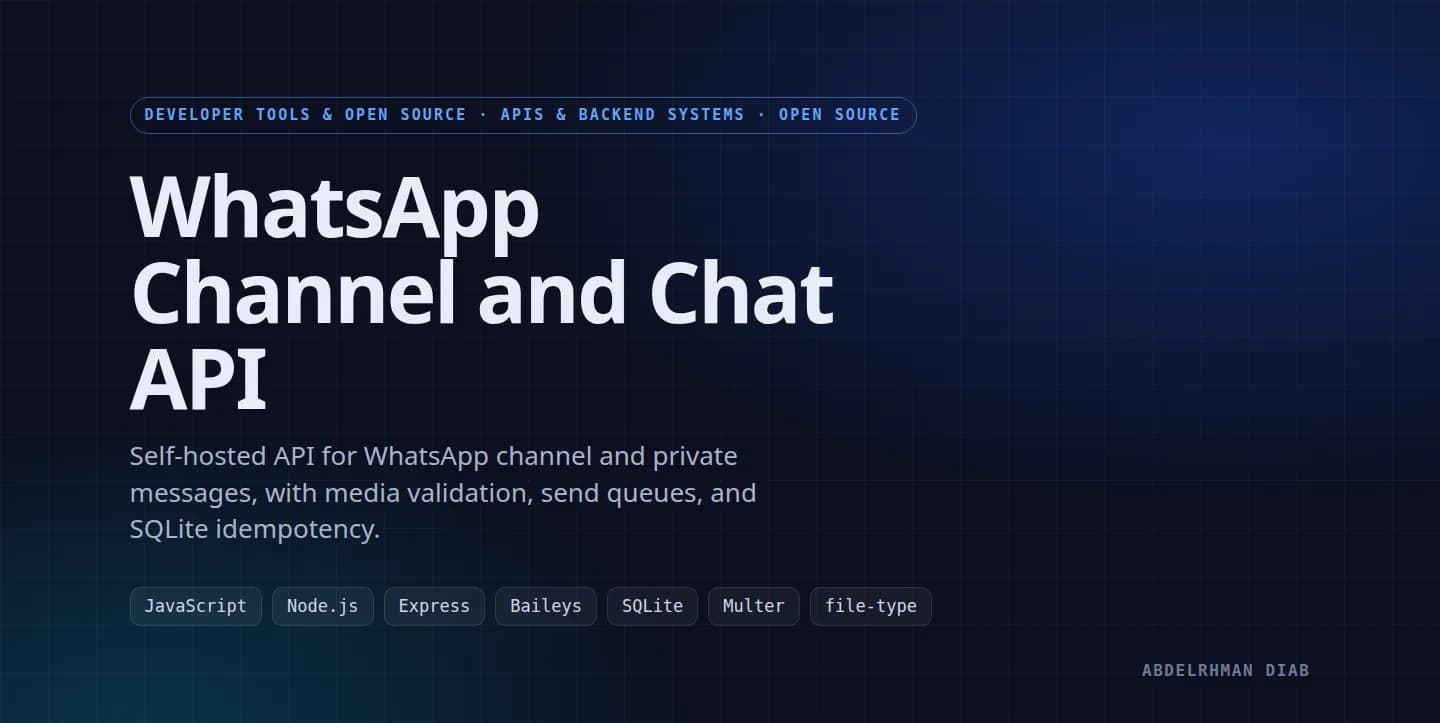
Self-hosted API for WhatsApp channels and private chats, with media checks, send queues, and SQLite deduplication.
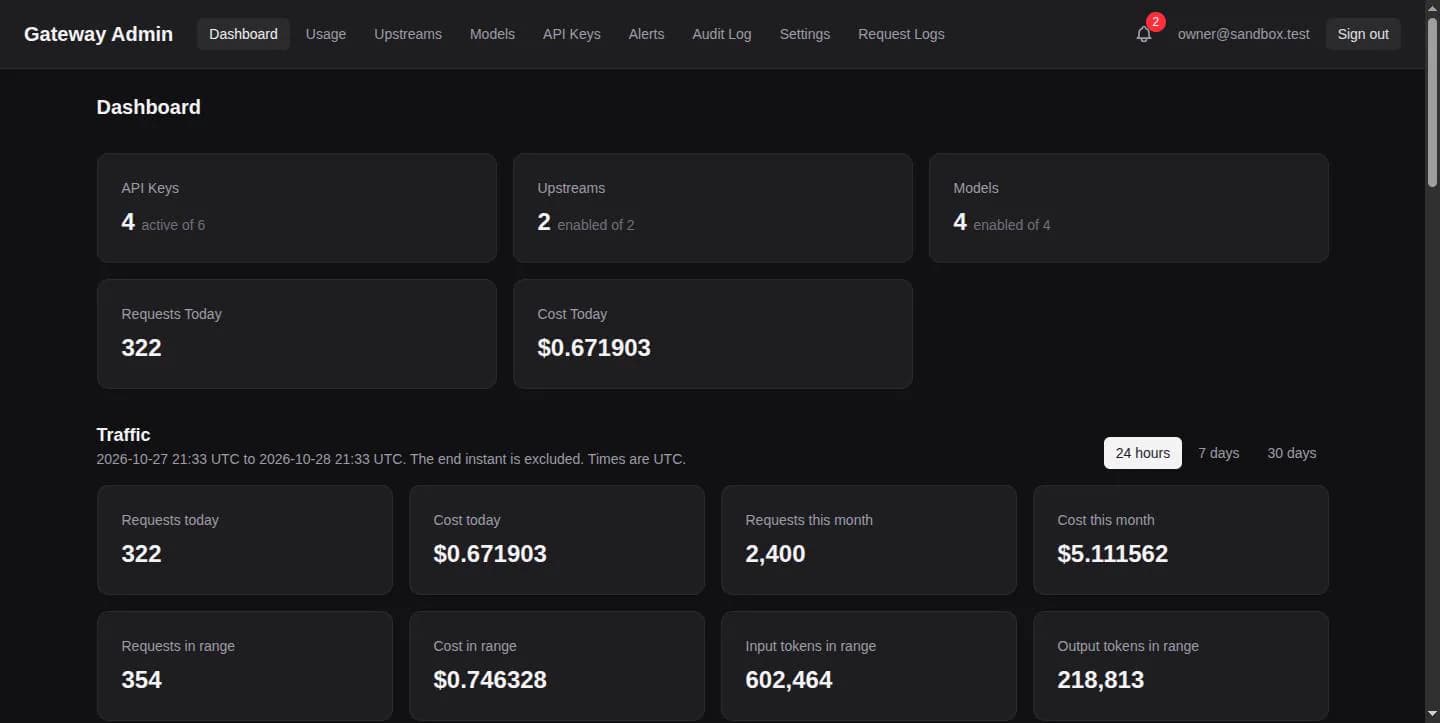
Open-source Gemini-compatible API gateway for Vertex AI with prepaid keys, usage tracking, limits, and an admin console.
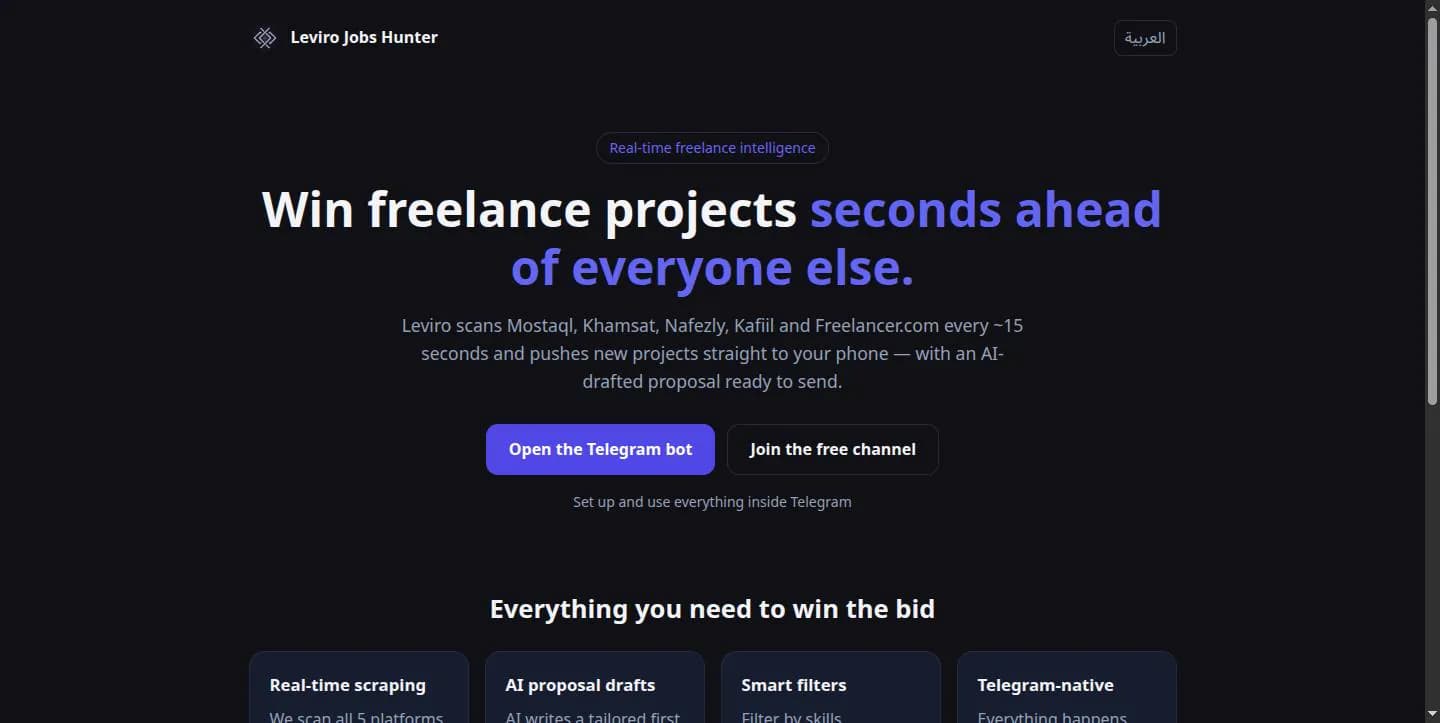
Leviro service that finds freelance opportunities, matches them to skills, and sends results through Telegram.